
Su.Ya · The Story
Born at the intersection
of two tables.
Our Story
A table shaped
by two cultures.
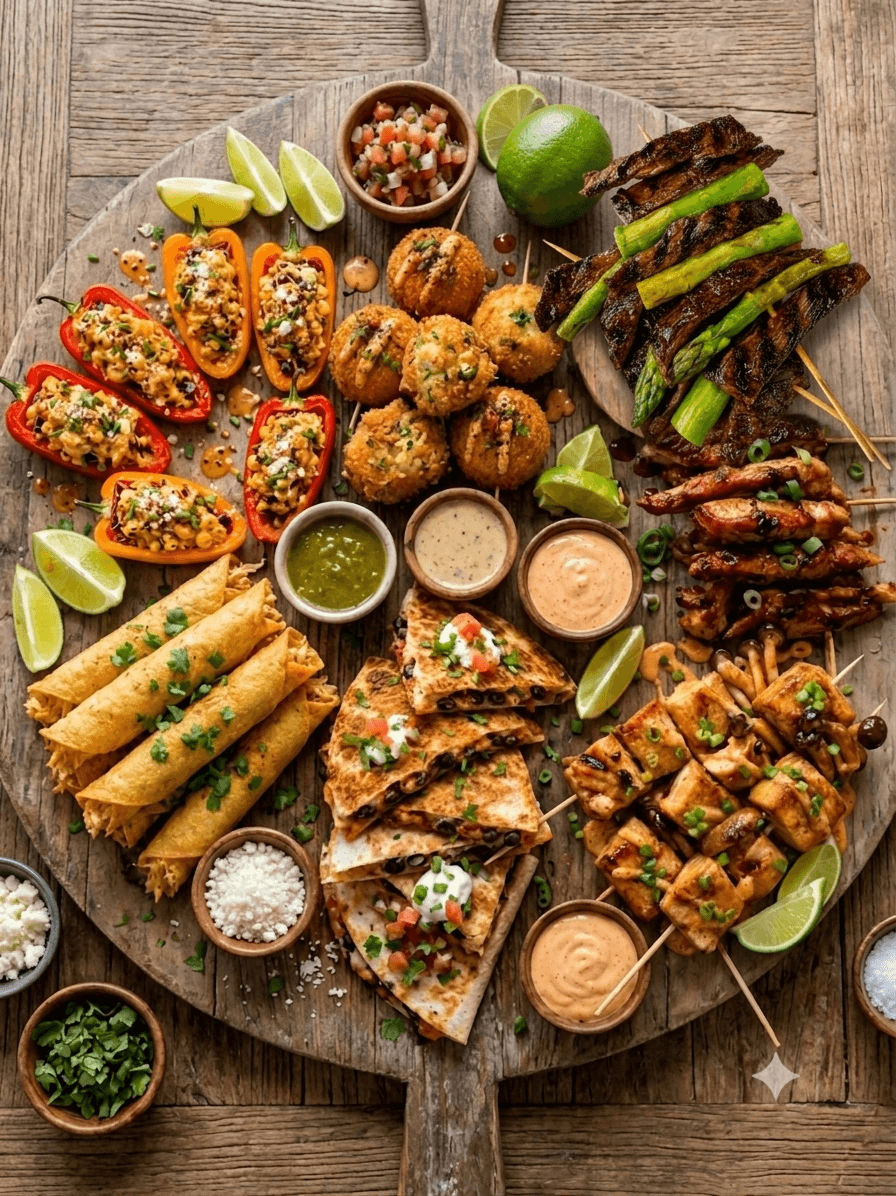
Su.Ya was founded by two Korean-Mexican interracial families who naturally fell in love with the harmony between the two cuisines. Korean food brings bold flavors, balance, and warmth, while Mexican cuisine celebrates gathering, vibrancy, and connection.
Over years of hosting family gatherings, celebrations, and shared meals, we discovered how naturally the flavors, textures, and traditions complemented one another. What began around our own tables slowly evolved into experiences we wanted to share with the broader community.
Su.Ya is our way of bringing people together through elevated Korean-Mexican catering designed for modern gatherings.
Made with love, for your table.
Su.Ya Pantry
Two cultures.
One philosophy.
Korean and Mexican cuisines developed on opposite sides of the world — and yet arrived at the same truths about food. Fermentation builds depth. Balance makes a perfect bite. Fire transforms everything. Sharing is the point.
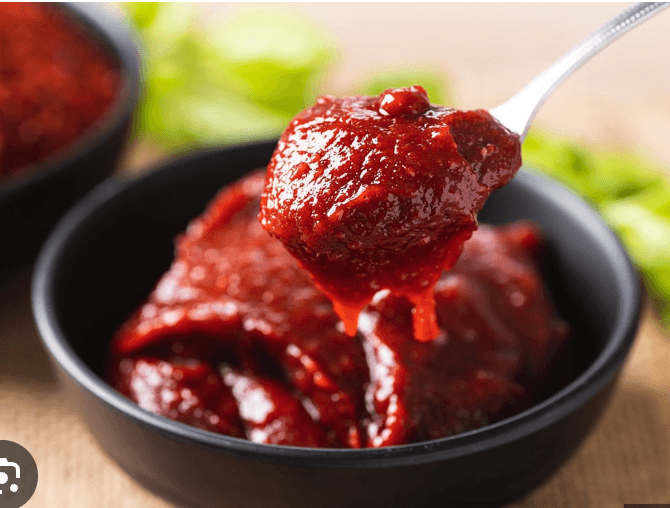
고추장 (Gochujang) ↔ Mole
The Sauce
Two cultures on opposite sides of the world independently discovered the same secret — that time, chili, and fermentation create something no fresh ingredient can match. Gochujang is fermented for months in clay pots, developing a deep, complex heat with a subtle sweetness. Mole negro is toasted, ground, and slow-cooked for days, layering dried chilies into something almost impossibly rich. Both are the soul of their respective cuisines. Both are irreplaceable.
Fun Fact
Gochujang has been made in Korea for over 700 years. Traditional mole negro from Oaxaca contains up to 30 ingredients and can take three days to prepare.
At Su.Ya
At Su.Ya, gochujang and chili-lime glazes appear across our kochi marinades, aiolis, and dipping sauces — the fermented depth of Korea meeting the chili complexity of Mexico in every bite.
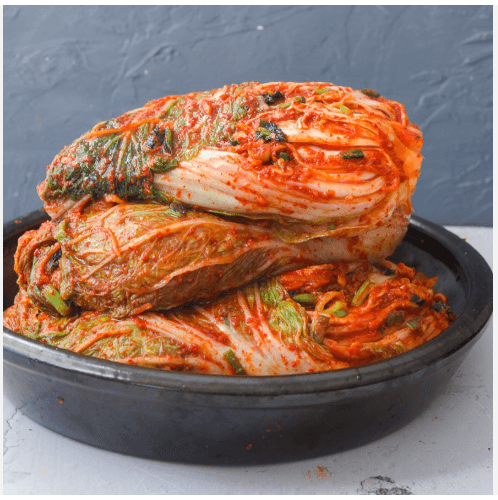
김치 (Kimchi) ↔ Curtido
The Ferment
Before refrigeration, both Korean and Mexican cultures learned to preserve vegetables through fermentation — and discovered that what began as necessity became one of the most complex, nutritious, and delicious things on the table. Korean kimchi and Central American curtido are separated by an ocean but share the same philosophy: salt, vegetables, time, and the living culture of fermentation create something far greater than the sum of its parts.
Fun Fact
Kimchi contains over 200 varieties in Korea. Curtido — a fermented cabbage slaw — is a staple of El Salvador and Mexico, traditionally served with pupusas and tacos.
At Su.Ya
At Su.Ya, kimchi appears sautéed inside our croquette kochi and quesadillas — its fermented sharpness mellowed by heat, adding depth that no fresh ingredient can replicate.
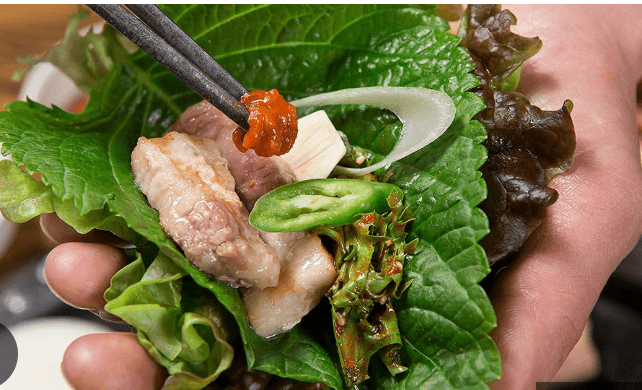
쌈 (Ssam) ↔ Taco
The Wrap
Korea and Mexico both independently created one of humanity's greatest food inventions — the wrap. Ssam is the Korean tradition of bundling grilled meat, rice, and condiments inside a leafy green. The taco wraps seasoned protein, salsa, and garnishes inside a corn tortilla. Both are hand-held. Both are built on the principle that a single bite should contain every flavor and texture at once — protein, starch, acid, heat, and freshness. Both are the ultimate shared food.
Fun Fact
Ssam culture in Korea dates back to the Goryeo dynasty (918–1392). The corn tortilla has been a staple of Mesoamerican cuisine for over 3,500 years — one of the oldest foods still eaten today.
At Su.Ya
At Su.Ya, the wrap is your choice. Every protein — arrachera, al pastor, jeyuk spicy pork, and galbi steak — can be ordered with ssam (endive leaves) for the Korean way, or corn and flour tortillas for the Mexican way. Same protein, two cultures, one table.
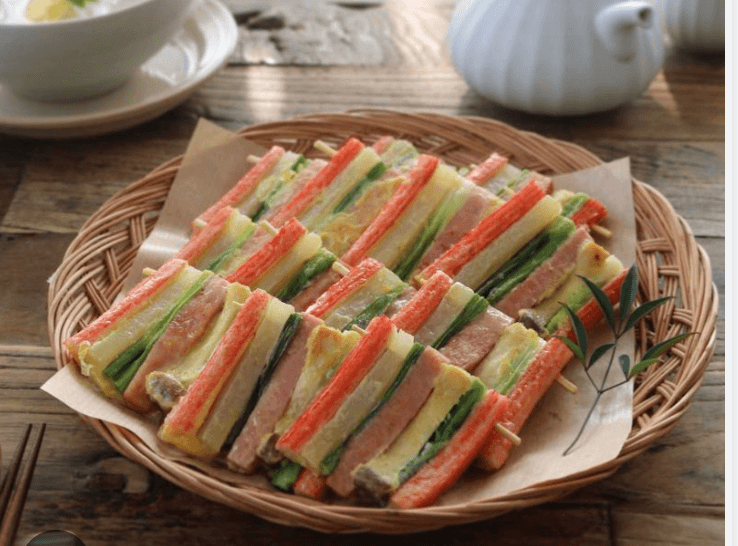
꼬치 (Kochi) ↔ Anticuchos
The Skewer
Of all the janchi foods, kochi was the most beloved — and it's easy to understand why. A perfectly balanced skewer of protein and vegetable requires no plate, no utensils, no table. You can eat standing in a crowd, walking through a market, or sitting at a feast. Kochi made the janchi mobile. Korean kochi and Latin American anticuchos share the same street food soul — protein and vegetables charred over open flame, passed between friends. Kochi is built on balance: no single ingredient overpowers another. Every bite is complete.
Fun Fact
Anticuchos originated with the Incas and are now a staple street food across Peru, Bolivia, and Mexico. Korean pojangmacha (street food stalls) have served kochi late into the night for centuries.
At Su.Ya
At Su.Ya, kochi is the heart of every event — cocktail reception, corporate dosirak, or hosted station. Five signature kochi, each balanced between protein and vegetable, finished with sauces that bridge both traditions. Pick one up standing, sitting, or mid-conversation. That's the janchi spirit.
The Menu
Every dish,
beautifully made.
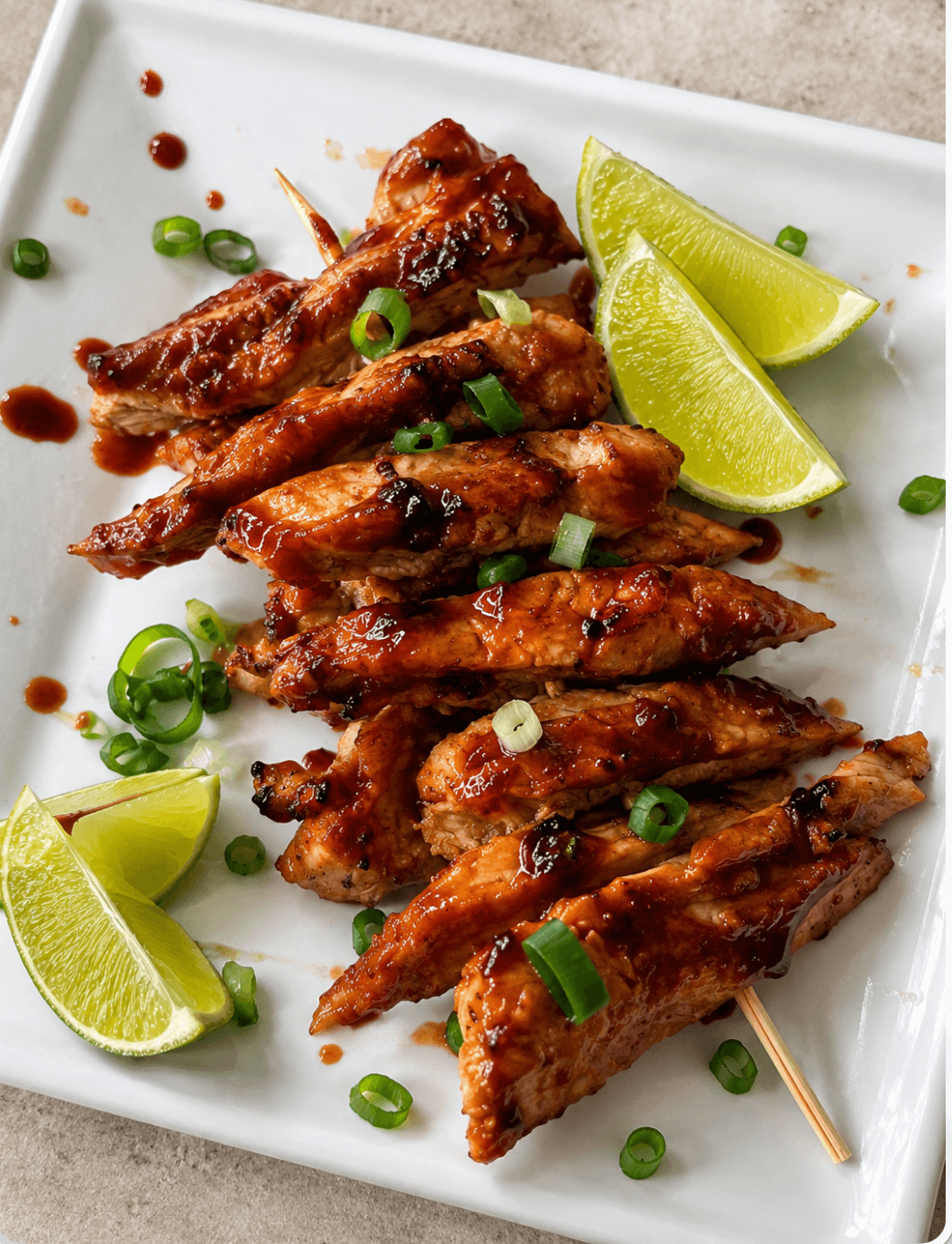
Korean BBQ Chicken Kochi
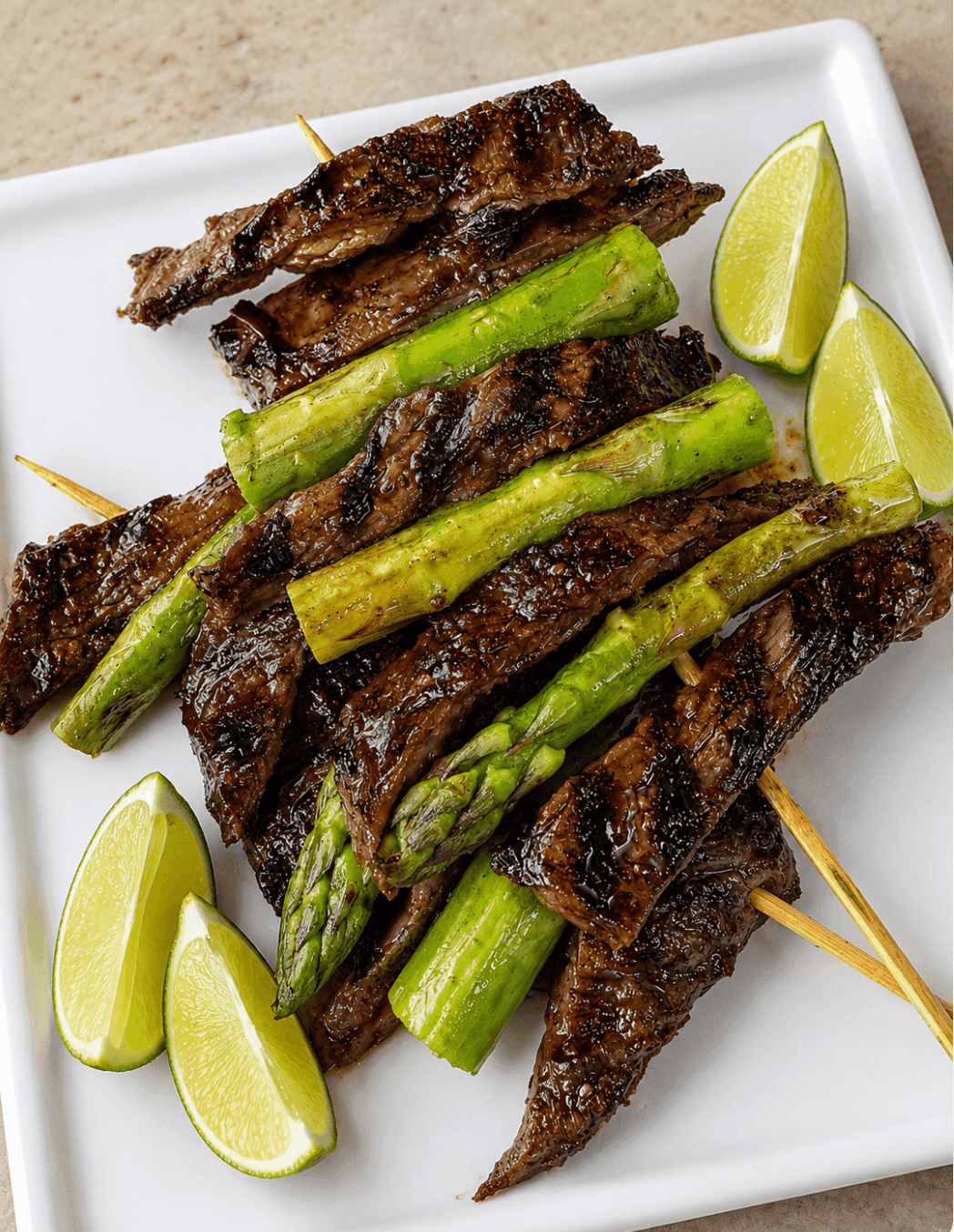
Galbi Steak & Asparagus Kochi
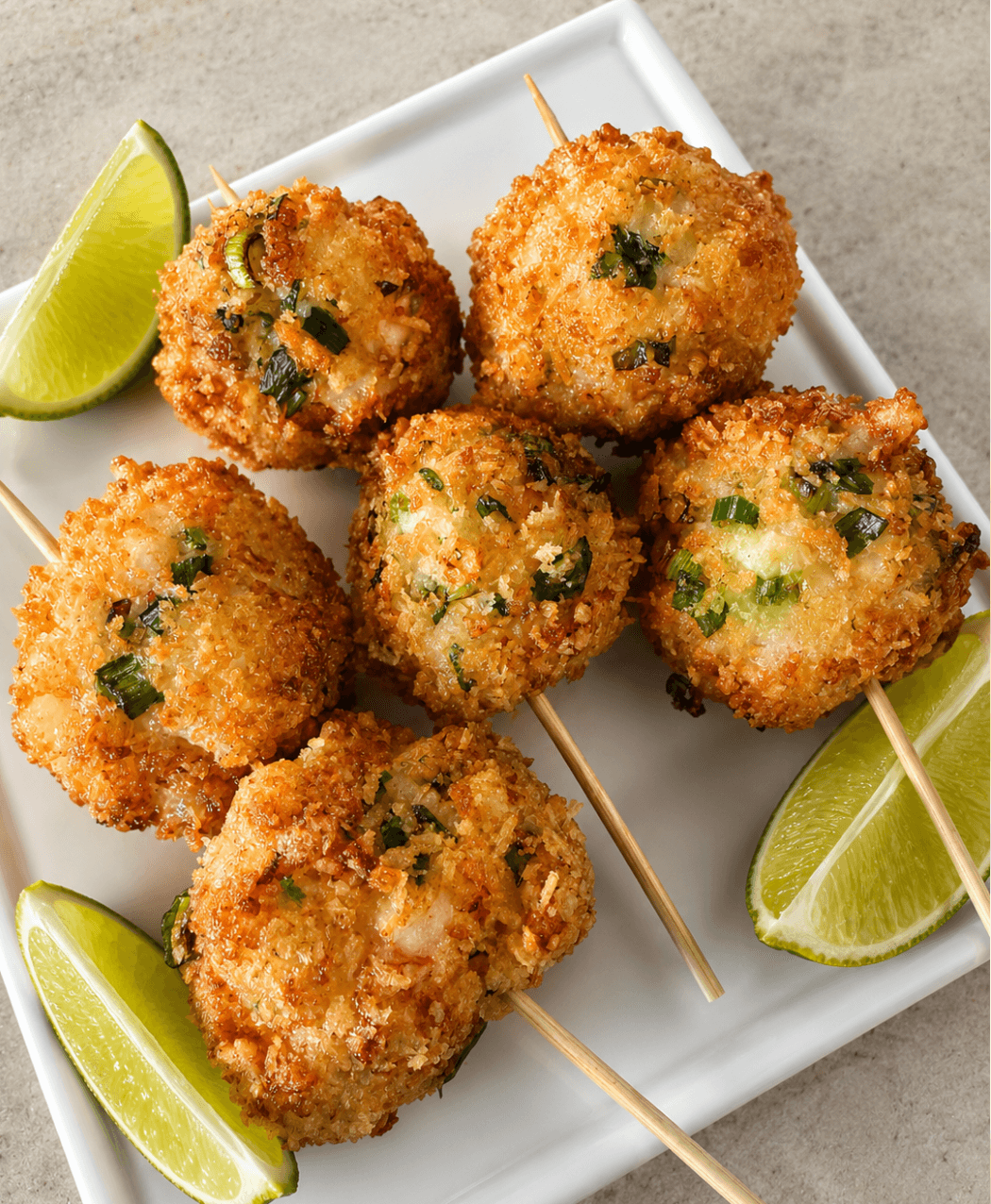
Golden Shrimp Ball Kochi
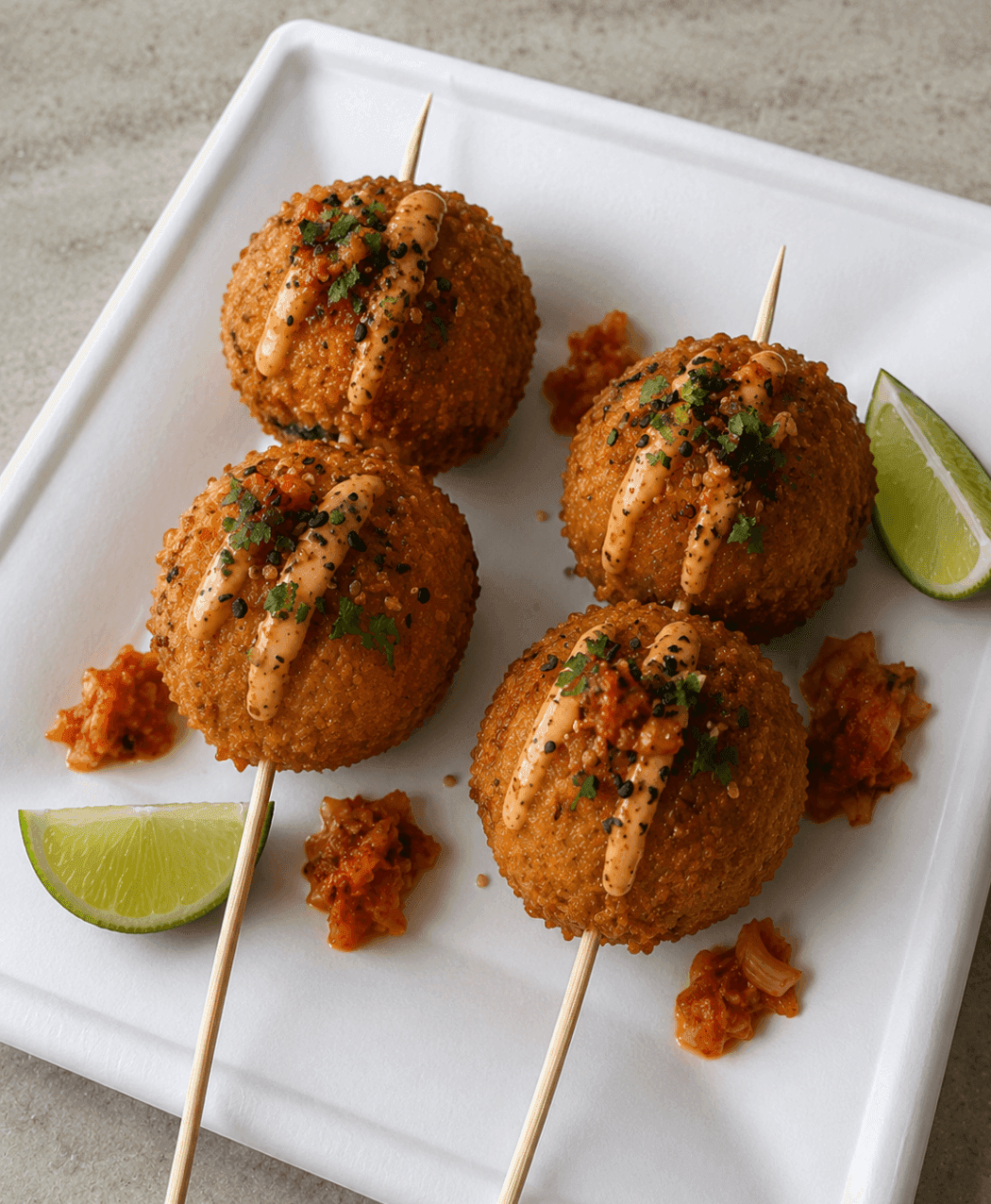
Kimchi Cheese Croquette Kochi
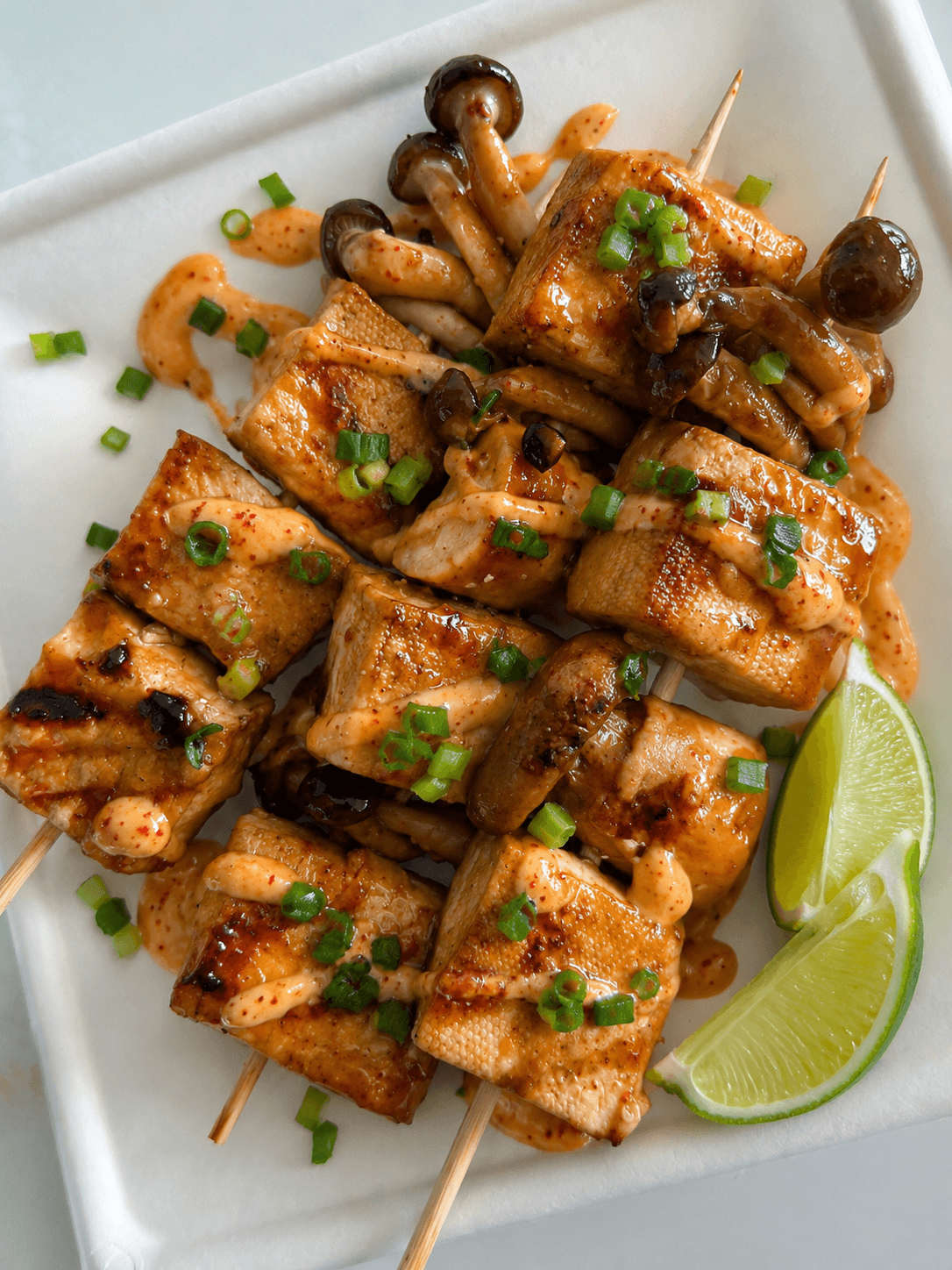
Charred Tofu & Mushroom Kochi
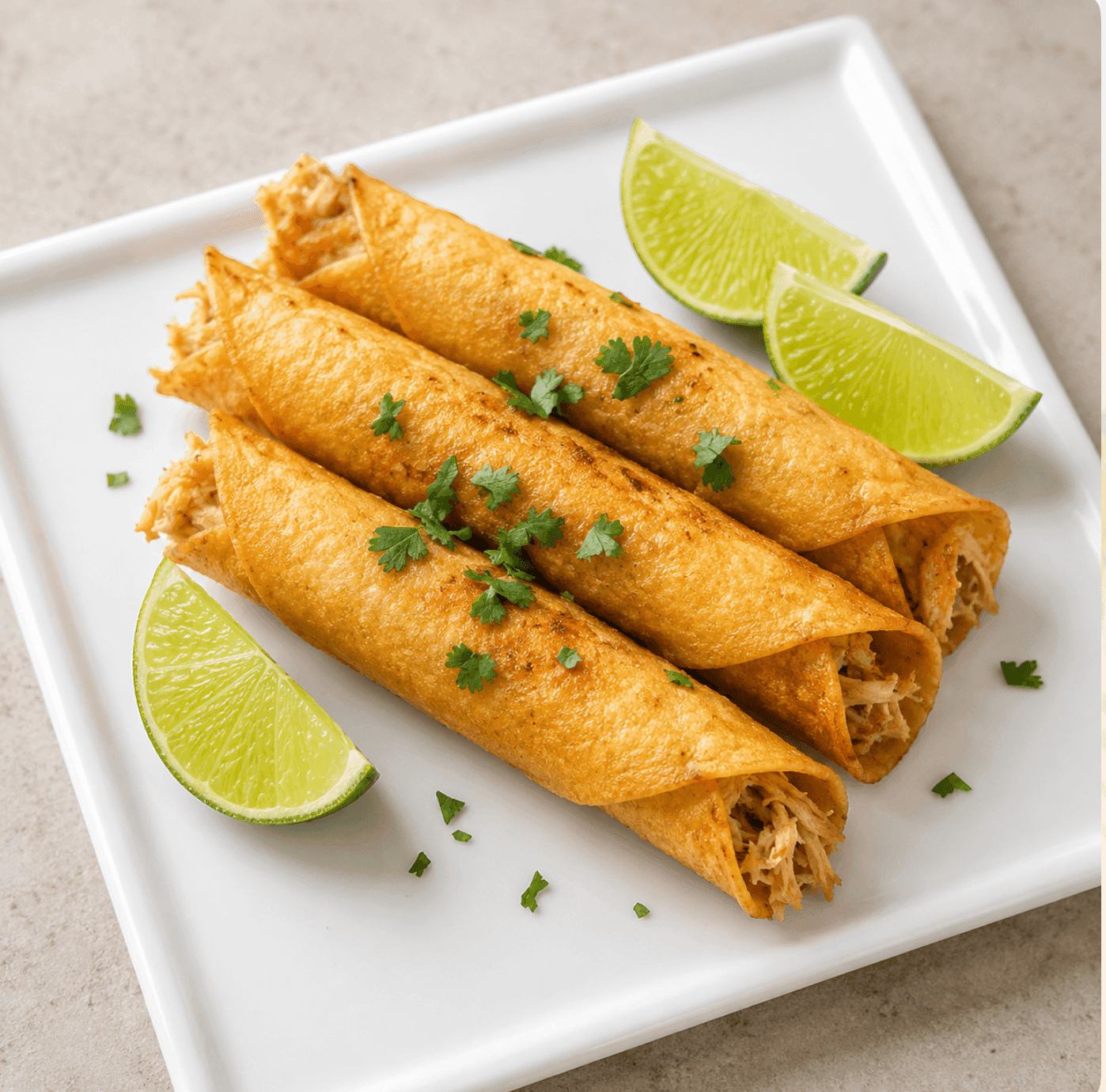
Chicken Taquitos
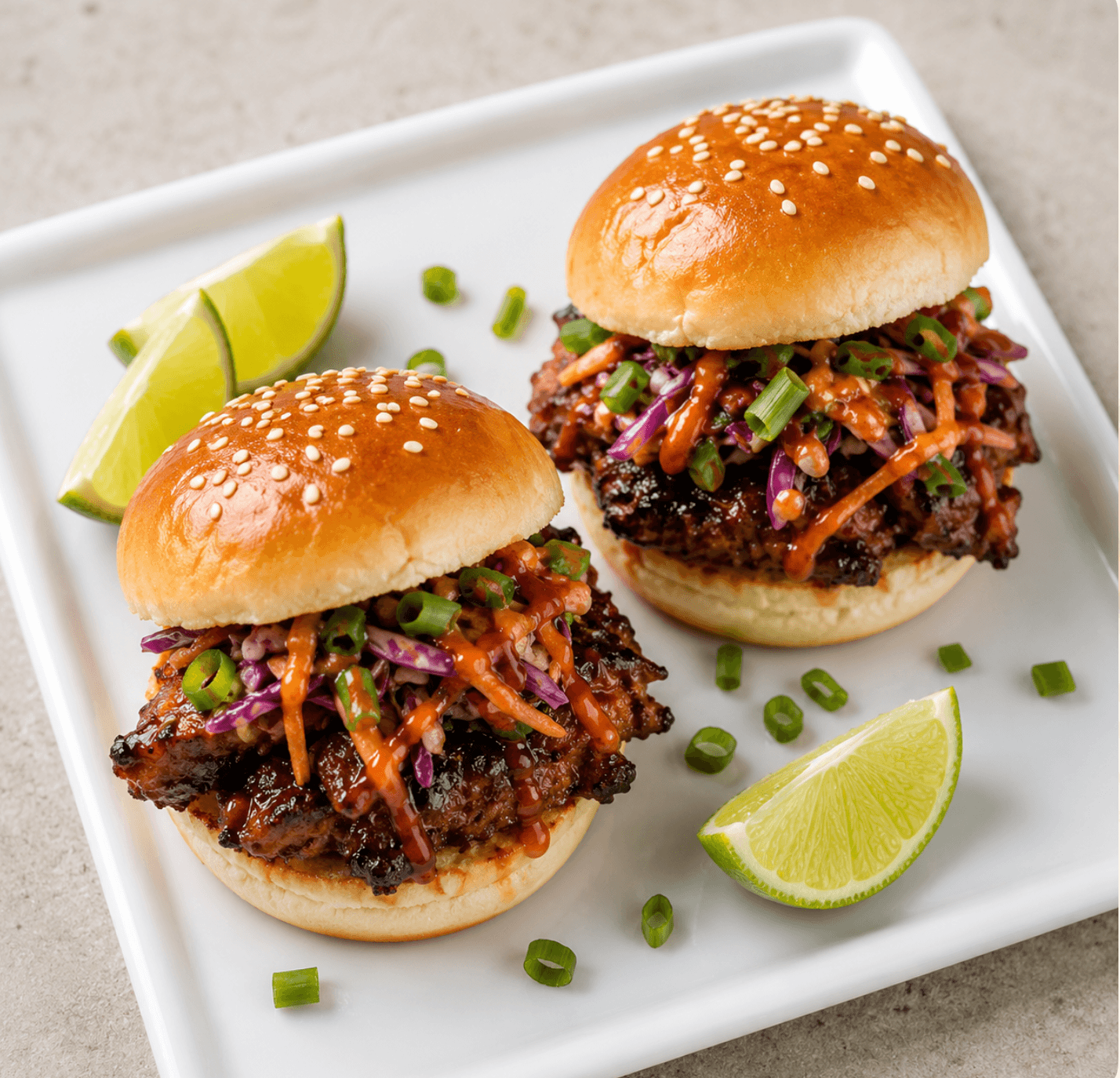
Beef Bulgogi Sliders
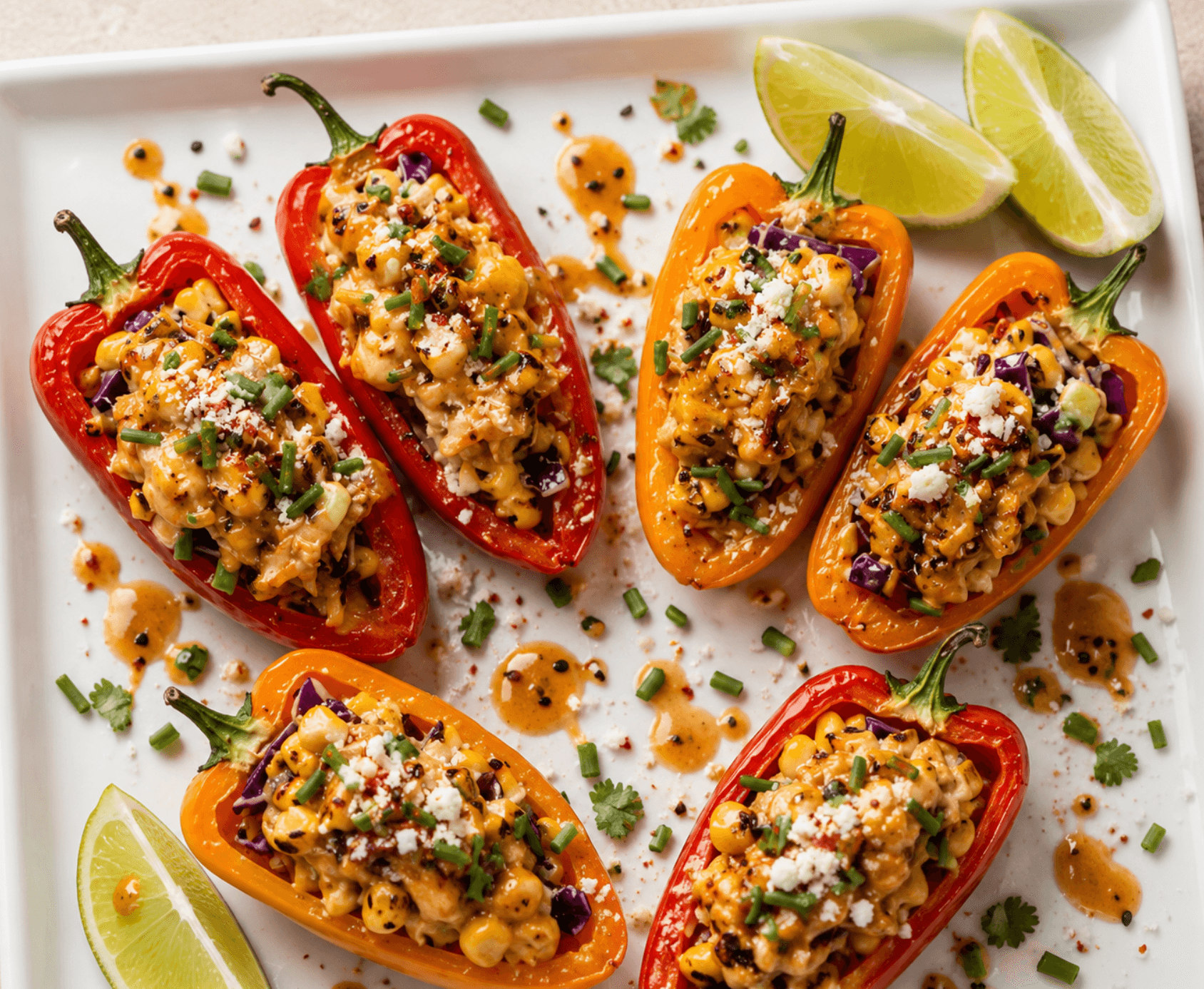
Kimchi Corn Stuffed Peppers
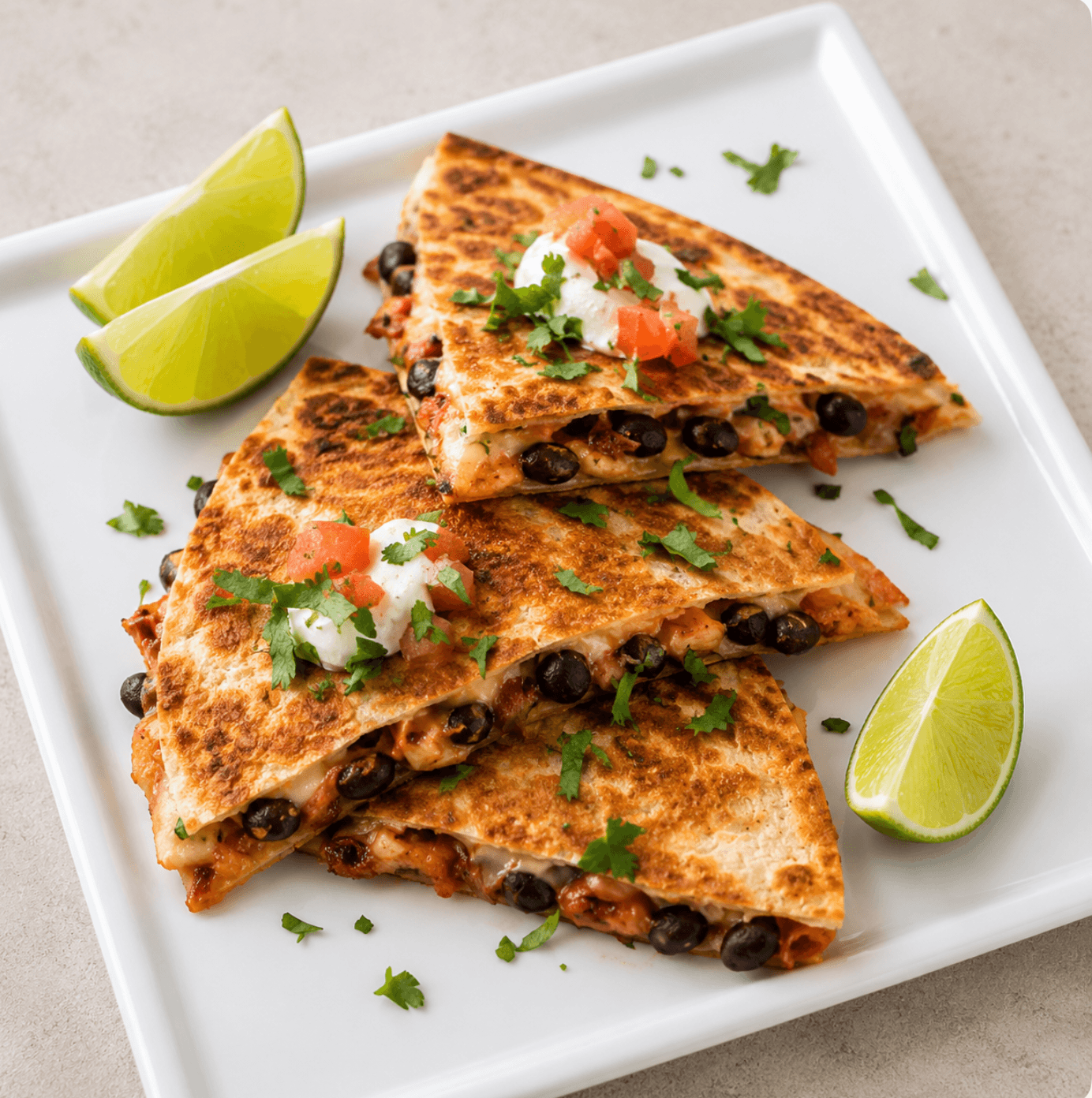
Kimchi Black Bean Quesadilla
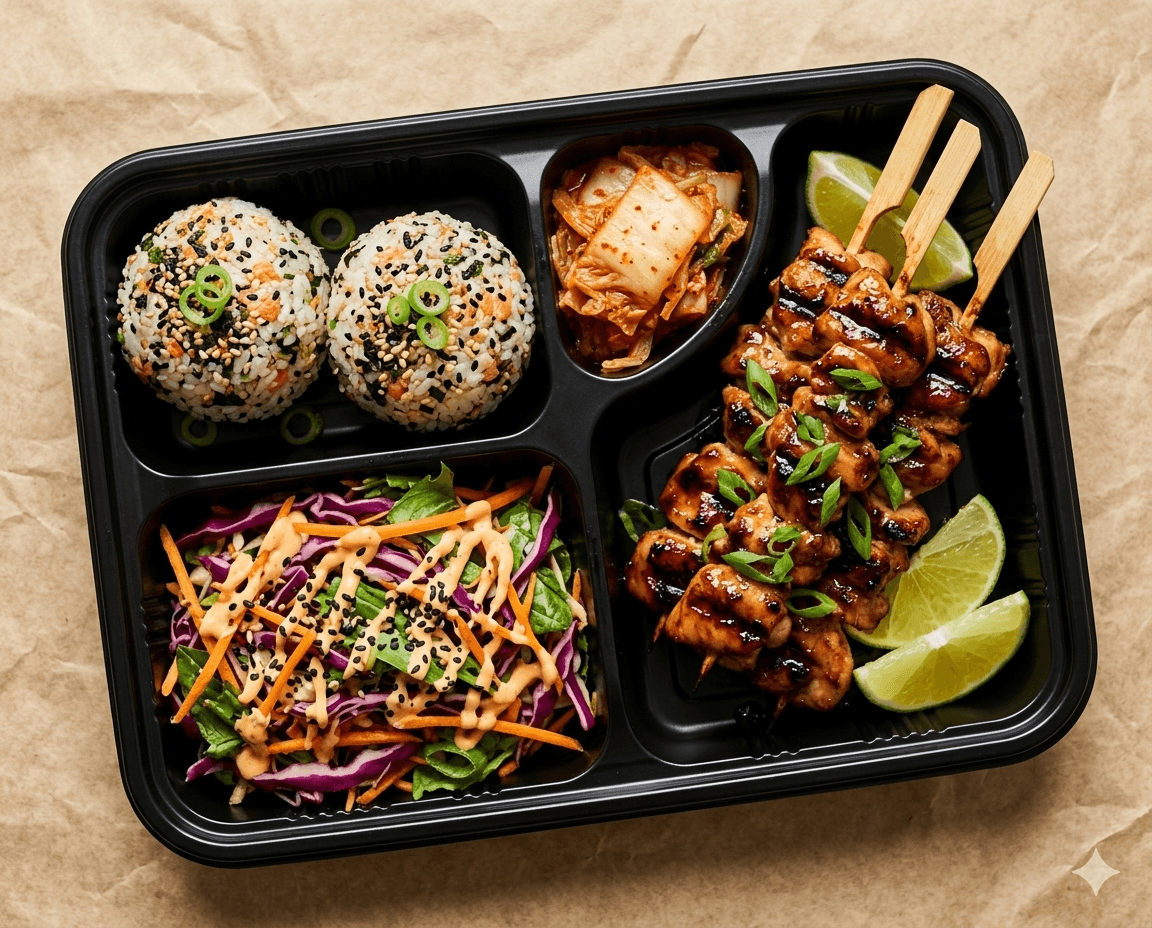
Chicken Kochi Dosirak
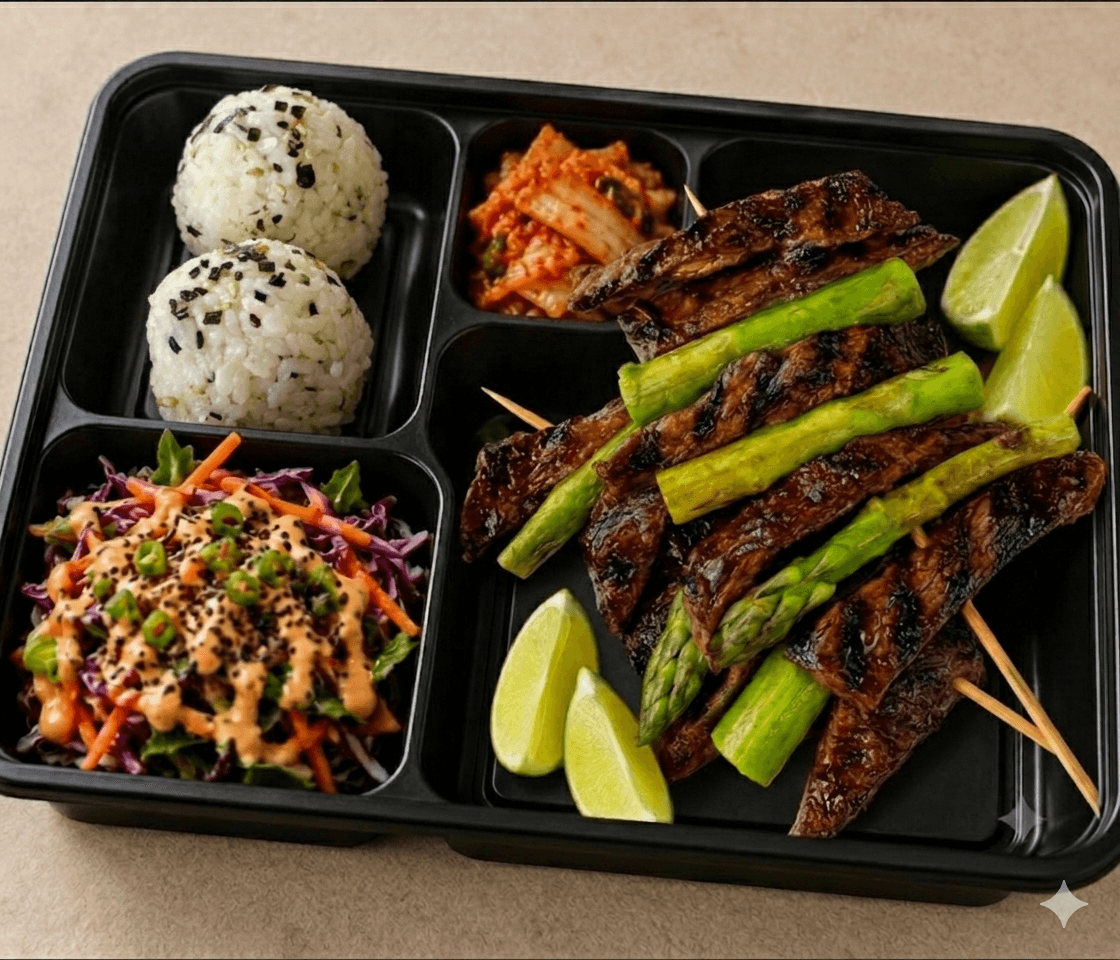
Galbi Steak Dosirak
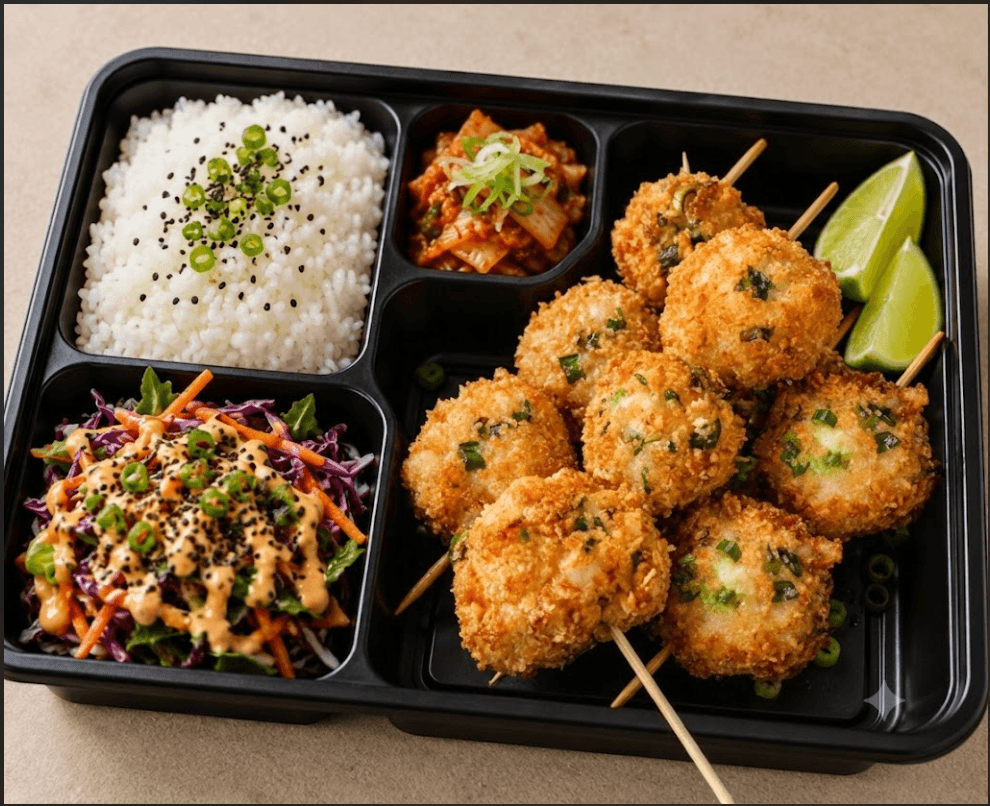
Shrimp Ball Dosirak
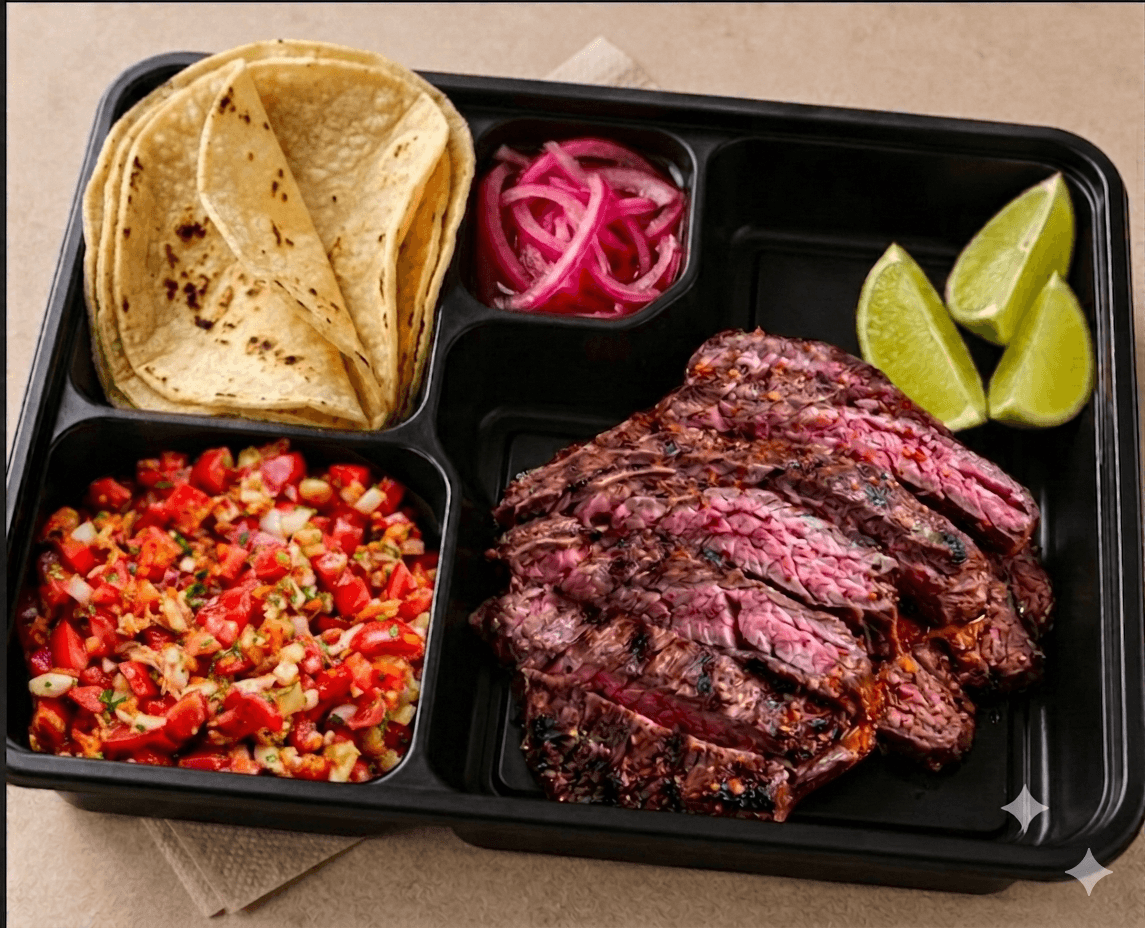
Arrachera Dosirak
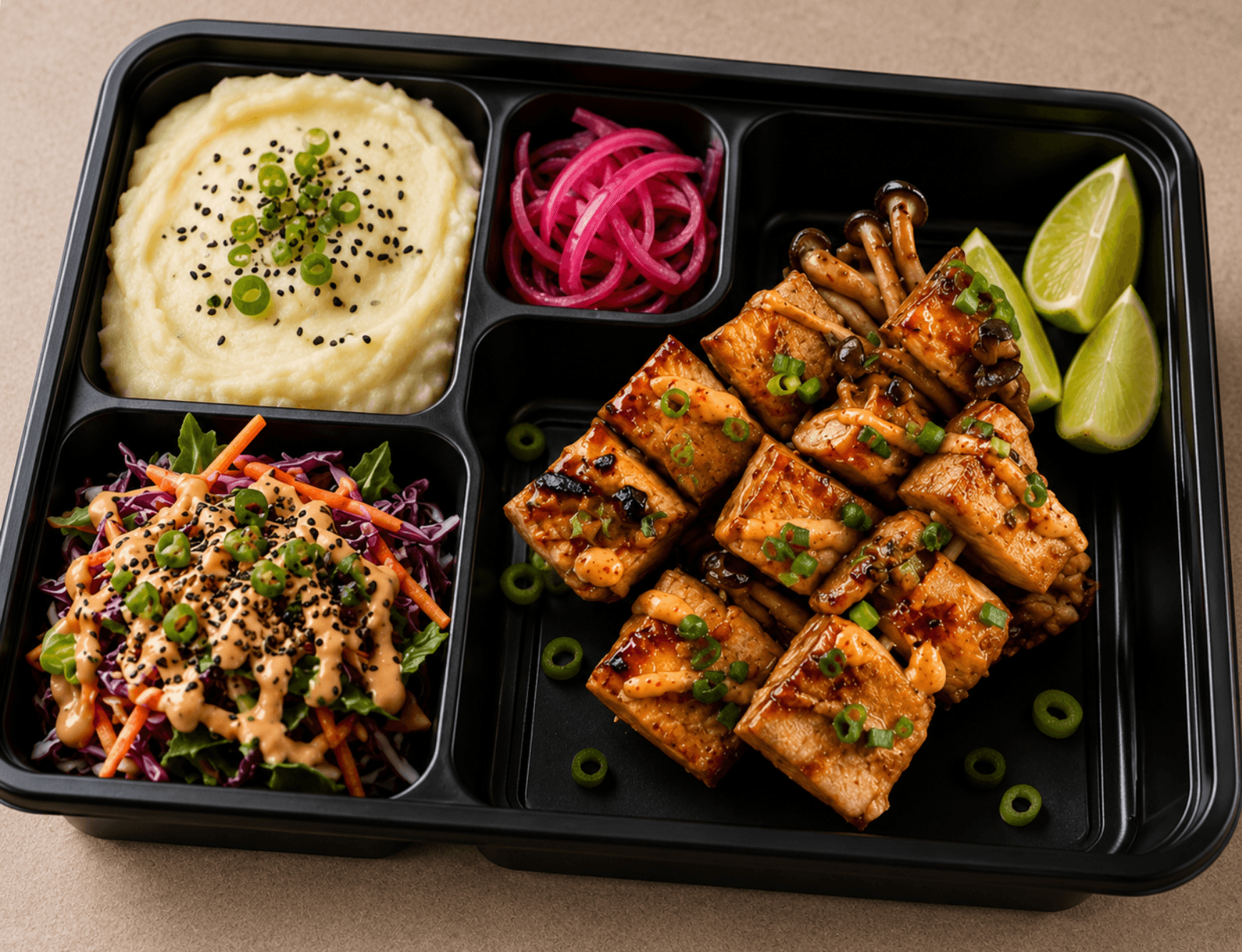
Tofu & Mushroom Dosirak
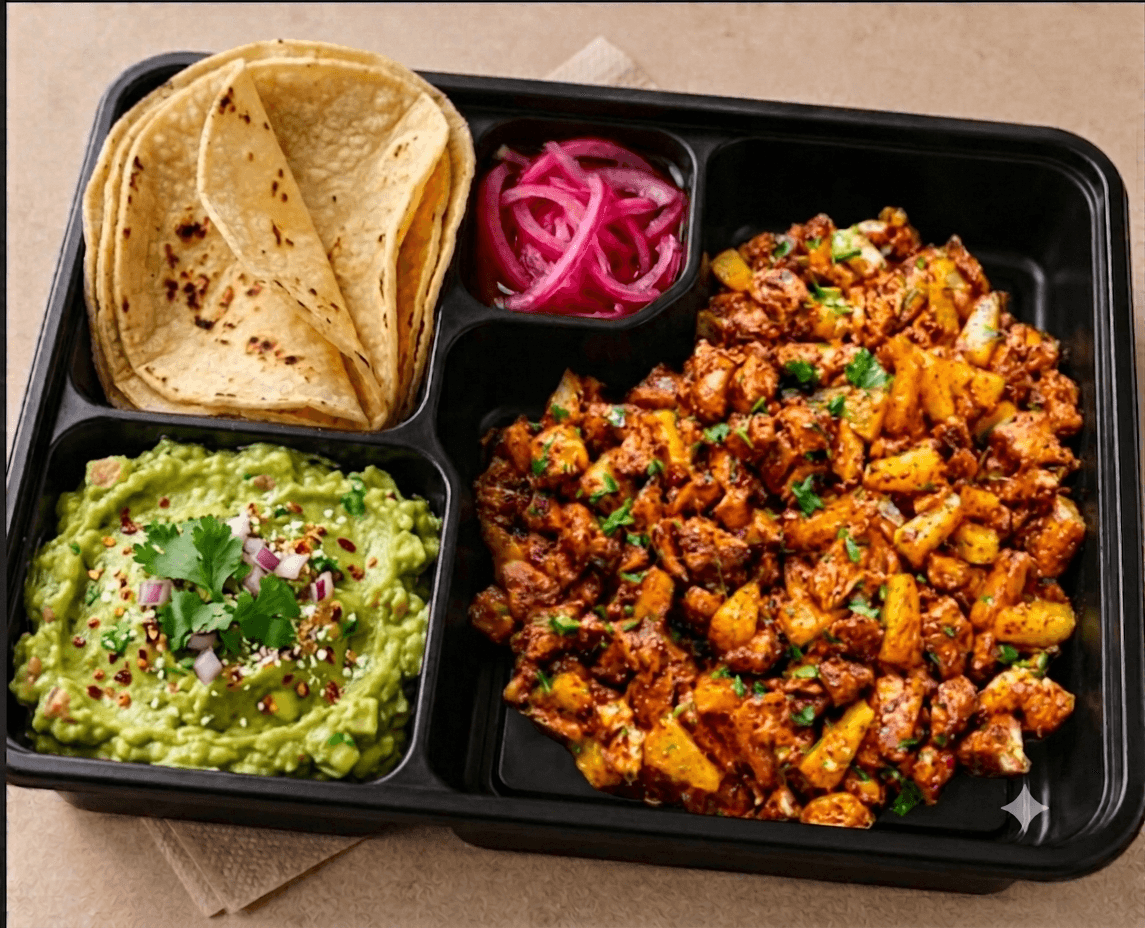
Al Pastor Dosirak